The fight against combine fires
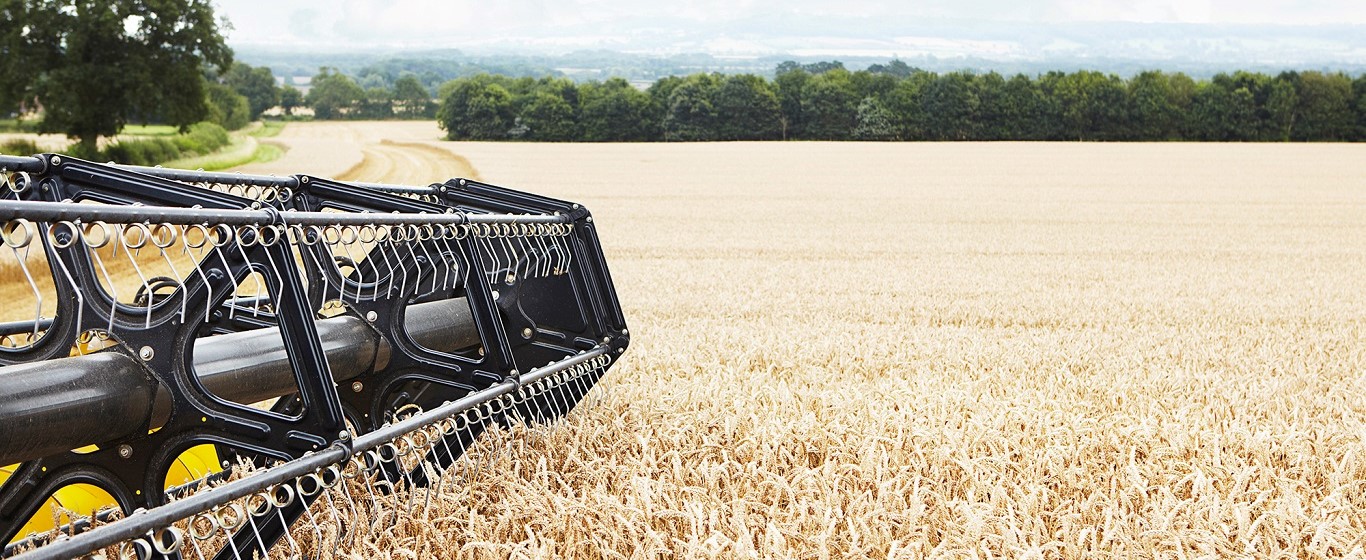
When harvesting under hot, dry weather conditions, we're warning farmers to take extreme care to avoid combine fires.
We're here to help farmers reduce the risk of a combine fire with a new fire prevention checklist and also provide premium discounts to farmers who fit approved fire suppression systems to their combines.
In hot weather, combine fires could spread even more violently, causing enormous damage to crops and disrupting the farm when farmers can least afford to stop.
“Working long hours in dusty conditions means regular cleaning and maintenance is essential to reduce the risk of a fire,” said Evita van Gestel at NFU Mutual Risk Management Services Ltd.
“Together, dust, hot moving parts, lots of electrical wiring and a tank full of diesel provide all the ingredients for a major fire. Combine fires put lives at risk, can spread into crops and threaten surrounding buildings so this is about far more than the loss of a machine and disruption at the busiest time of year."
“With secondhand machines costing over £300,000, scrupulous attention to cleaning and fitting a fire suppression system is a no-brainer.”
We partnered with Fireward, one of the suppliers of a fire suppression system, to set fire to a combine. See the results in the video below.
Our tips to prevent and contain fire this harvest:
- Ensure planned preventative maintenance is up to date and in accordance with manufacturers’ service schedules before using any machinery
- Fit a suppression system that is compliant with Special Certification Rule 199 (P Mark SCPR 199: 2021 with an A+ rating), Australian Standard (AS-5062: 2016) or Factory Mutual (FM 5970) to limit the effects of a fire
- Regularly clean out dust and chaff from hot spots and check the machine over when you've finished using for the day
- You can use a mobile compressor (or a fixed one if fitted to the combine) to regularly blow away debris from the machine, but only do so if the exit pressure is reduced (as a guide 30psi/2.1 bar is effective at cleaning). Wear eye and respiratory protective gear to protect from dust and never point an airline at a person to remove dust from clothing, as there is a risk of injecting air into the skin and causing bubbles in the blood stream
- Switch off engines and ensure moving parts have stopped before clearing blockages or carrying out maintenance
- Always stop to investigate hot-running engines or bearings
- Have a plan in place in the event of fire including a system for keeping in contact with lone workers and anyone working or living on farm
- Keep mobile phones on you at all times – it’s no use to you if it’s left in a tractor or pickup cab
- Make sure drivers are aware of the locations and heights of power lines and check that you will safely pass under wires
- Keep a fire extinguisher on the combine – and ensure that it is regularly maintained and that the relevant people have been trained on how to use it
- Keep a bowser filled with water on hand, and be prepared to create a fire break in the event of a crop fire
- Use the What3Words App to help emergency services find your location easily
- Remind staff to keep well-hydrated, take sufficient rest breaks and monitor for fatigue, stress and mental ill health symptoms.
To find out more about how to prevent fires, as well as the discounts available for combines fitted with P-mark, AS and FM approved suppression systems, please contact your local agency office.
NFU Mutual Risk Management Services Ltd. are not regulated by the Financial Conduct Authority and the Prudential Regulation Authority.
Harvester Insurance
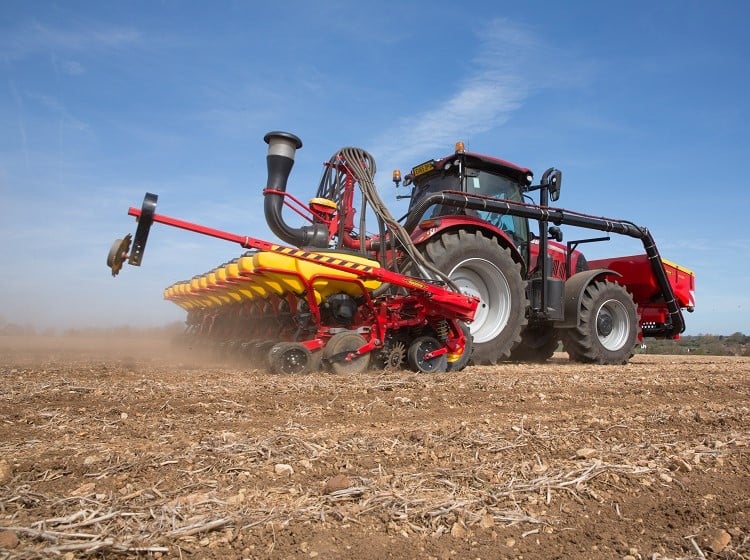
When harvest rolls around, the last thing you want is to be held up by a problem with one of your vehicles. We offer protection that ensures as little disruption as possible should anything happen to your harvester.
From a regular combine harvester to a bean, potato or pea harvester, our comprehensive Agricultural Vehicle Insurance policy keeps you covered.