Escape of water claims: what happens next?
An escape of water incident can cause significant disruption to your home. Whether water has escaped from a pipe, appliance or another system within your property, understanding what happens next can help make the claims process feel less stressful.
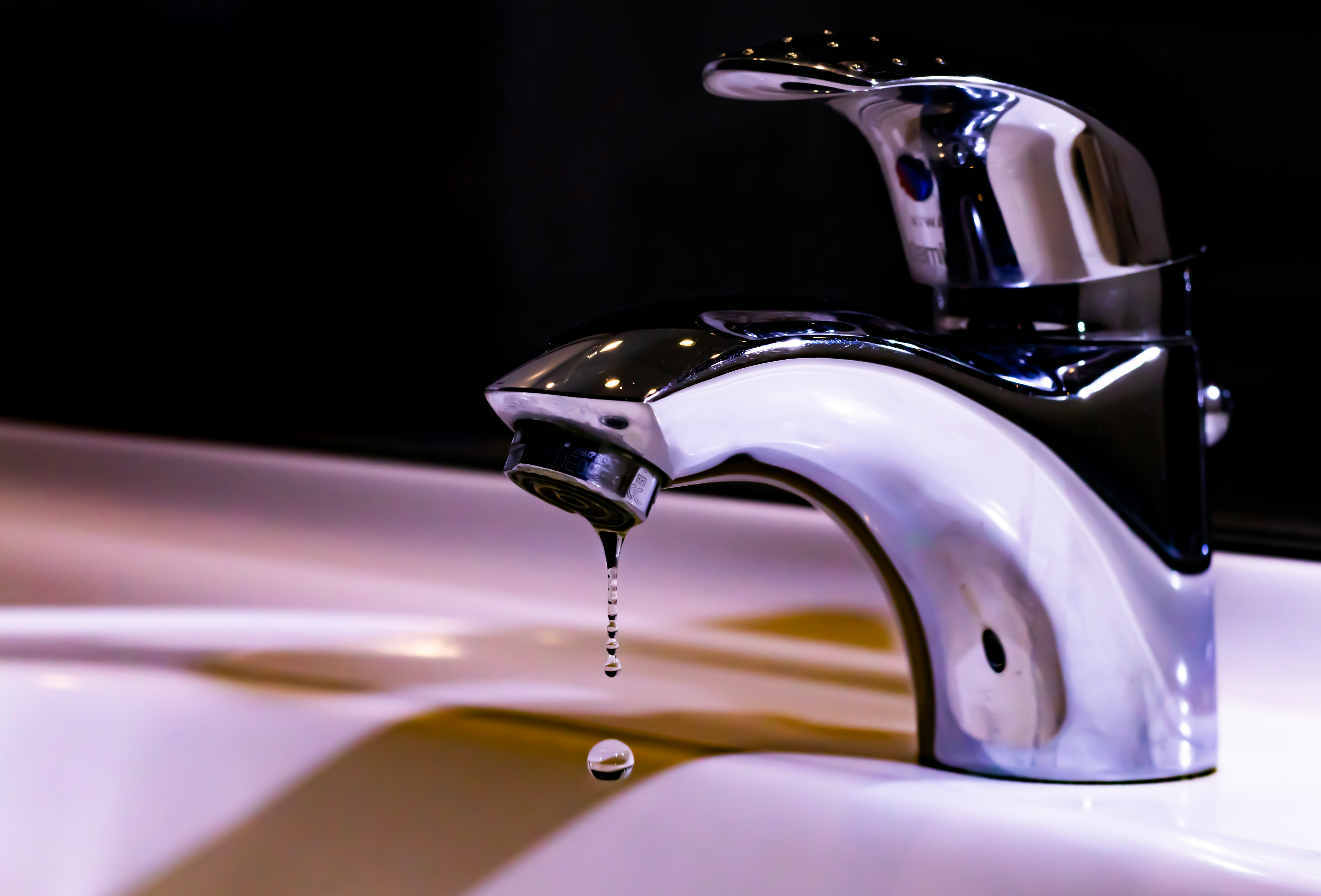
This guide explains the typical escape of water claims process, from reporting the damage and arranging emergency repairs to drying, restoration and repairs. You can also watch our video for an overview of what to expect.
What is an escape of water claim?
An escape of water claim relates to damage caused when water escapes from pipes, appliances or other systems within your home and causes damage to your property.
Escape of water claims are among the most common types of home insurance claims. The damage can range from a minor leak affecting a small area to more significant water damage that requires specialist drying, repairs, and restoration.
What should I do if I discover water damage?
If it's safe to do so:
- Stop the source of the leak yourself or contact a plumber for assistance.
- Move undamaged items away from the affected area where possible.
- Contact your insurer as soon as possible to report the claim.
- Take photographs and videos of the damage.
- Keep plumber's bills, repair invoices and receipts for related expenses.
If electrical items have been damaged or exposed to water, do not use them until they have been checked and certified as safe by a qualified professional.
The escape of water claims process explained
Every claim is different, but most escape of water claims follow the same key stages.
1. Stop the leak if it's safe to do so
In many homes, this may involve turning off the water supply using the internal stopcock, which is often located under the kitchen sink, in a utility room, under the stairs or where the water supply enters the property. If you're unsure where your stopcock is, check your property's documentation or contact a qualified plumber.
2. Remove excess water
Specialist contractors may use pumps or wet vacuum extraction equipment to remove standing water and reduce moisture within the property.
3. Dry the property
Depending on the severity of the leak, specialist drying equipment may be installed to remove moisture from walls, floors and other affected areas.
This may include fans and dehumidifiers, which help accelerate the drying process and reduce the risk of mould and mildew growth.
4. Clean and sanitise
Once the property has dried, affected areas may need to be cleaned and sanitised to remove contaminants and help prevent mould growth.
5. Repair and restore
The final stage is repairing and restoring damaged areas of the property. This may include replacing damaged plasterboard, flooring and other building materials.
The aim is to restore your property to its pre-damage condition as safely and efficiently as possible.
How long does it take for a property to dry after an escape of water?
This depends on factors such as:
- The amount of water involved
- How long the leak was present before it was discovered
- The type of construction of the property
- The materials affected
In some cases, drying can take around a week. In more severe cases, it may take several weeks before repair work can begin.
Allowing sufficient drying time is an important part of the restoration process, helping to reduce the risk of damp, mould, and recurring damage.
Why are dehumidifiers used after an escape of water?
Dehumidifiers draw moisture from the air and help remove excess moisture from the structure of your property.
Alongside specialist drying equipment and fans, they help accelerate the drying process and reduce the risk of mould and mildew growth.
If drying equipment is installed in your home, the drying specialist will explain how it works and any guidance you need to follow while it remains in place.
Will I need to move out of my home?
In some cases, you may be able to remain in your property while drying and repairs are carried out.
However, where the damage is more severe, it may be necessary to move out temporarily while work is undertaken.
This is usually considered under the alternative accommodation section of your policy. Your claims handler or loss adjuster will discuss the options available and help identify the most suitable solution for your circumstances.
Will a loss adjuster be appointed?
Your insurer may appoint a loss adjuster where the claim is particularly complex or involves more significant damage.
Their role is to assess the damage, support the claims process and help ensure your claim progresses in a fair, transparent and efficient manner.
They will also help explain the next steps and coordinate with contractors and specialists where required.