Subsidence claims: what happens next?
Being told your property may have subsidence can feel worrying, particularly if you've noticed cracks appearing in your home or have been advised that further investigations are needed.
We're here to help. From assessing the damage and identifying the cause, to arranging repairs and restoring your property, we'll support you through every stage of your claim.
This guide explains how subsidence claims work, what investigations may be needed and what you can expect throughout the process.
What is subsidence?
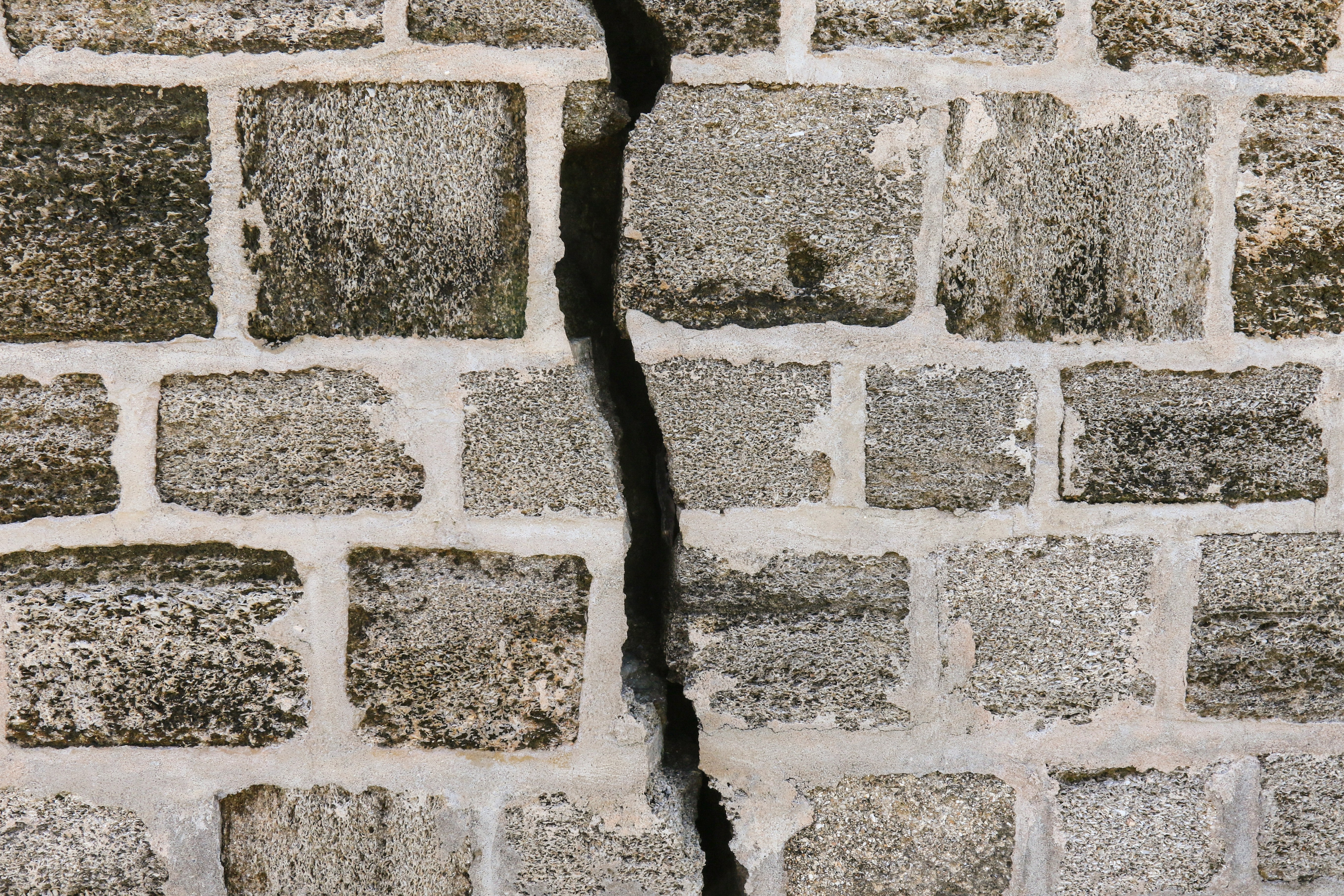
Subsidence is movement of the ground beneath a property which can cause damage such as cracking to walls, ceilings or floors.
Not all cracking is caused by subsidence. In many cases, cracking can be linked to less significant causes such as thermal movement.
If subsidence is suspected, we'll arrange the appropriate assessments and investigations to establish the cause and determine the next steps.
What should I do if I think my home has subsidence?
If you're concerned about cracking or movement at your property, contact us as soon as possible.
To help us assess your claim, it can be useful to provide:
- Photographs and videos of the damage
- A pre-purchase survey, where available
- Details of any building works carried out in or around your home
- Information about nearby trees, vegetation or drains
- Updates if you notice new cracks or changes to existing damage
This information can help us understand the situation and discuss the most appropriate next steps.
The subsidence claims process explained
Subsidence claims can take longer than some other property claims because it's important to understand and address the underlying cause before repair work begins.
1. Assess
We'll inspect the damage and assess the potential cause.
A loss adjuster or subsidence specialist may be appointed to inspect your property, explain the claims process, and answer any questions you may have.
2. Investigate
Further investigations may sometimes be needed to identify what's causing the damage.
These may include:
- Drain testing
- Trial holes
- Monitoring movement
- Measuring cracks
Any investigations will be discussed and agreed with you beforehand.
3. Stabilise
Once the cause has been identified, steps can be taken to address the problem and reduce the risk of further movement.
Depending on the circumstances, this may involve:
- Drainage repairs
- Tree or vegetation management
- Monitoring movement over time
4. Repair
Once the cause of movement has been addressed and the property is considered stable, repairs can begin.
This may include crack repairs, plastering, redecoration, and any other work required to restore your property.
Why has a loss adjuster been appointed?
Subsidence claims often involve specialist assessments and investigations.
If a loss adjuster is appointed, they're there to support you throughout the claim by:
- Assessing the damage
- Explaining the next steps
- Coordinating investigations where needed
- Providing updates throughout the process
Their role is to help ensure the claim progresses fairly, transparently and efficiently.
What commonly causes subsidence?
The most common causes of subsidence are:
Trees and vegetation
Trees and large shrubs can remove moisture from clay soils, causing the ground beneath a property to shrink and move.
Leaking drains
Damaged or leaking drains can wash away or soften the ground beneath foundations, leading to movement.
Identifying and addressing the cause is an important part of the claims process.
Why might monitoring be needed?
In some cases, we may need to monitor movement at the property before repairs can progress.
Monitoring helps us understand whether movement is continuing and provides evidence to support decisions about the next steps.
Where third-party involvement is required, such as cooperation from a neighbouring property owner, local authority or water company, monitoring may continue for several months.
What happens if trees, vegetation or drains are causing the problem?
If investigations identify a specific cause, steps may be needed to address it before repairs begin.
This could involve:
- Tree removal or management
- Removal of smaller vegetation
- Drain repairs
- Working with neighbours, local authorities or water companies where they are responsible for the issue
Where third-party cooperation is required, we'll work with those involved to help progress the claim.
How long does a subsidence claim take?
The timescale for a subsidence claim can vary depending on the complexity of the case and the investigations required.
Some claims may be resolved within several months, while more complex cases can take longer.
This is because it's important to identify and address the cause properly before repairs are carried out, helping to reduce the risk of further movement in the future.
We'll keep you informed throughout the process and explain what's happening at each stage.
How are subsidence repairs completed?
Once the cause of movement has been addressed and the required repairs have been agreed, we'll discuss the most appropriate repair route.
Depending on the circumstances, this may involve:
- Repairs through an approved contractor network
- Alternative settlement options
- A cash settlement in accordance with your policy terms
The aim is to restore your property to its pre-damage condition as safely and efficiently as possible.
What happens when my claim is complete?
At the end of your claim, you'll receive a Certificate of Structural Adequacy.
This document provides a record of the claim and may include:
- Details of the damage
- Investigations undertaken
- Drainage repairs or vegetation management completed
- Results of any monitoring carried out
- Confirmation of completed repair works
How we'll support you
We understand that subsidence claims can feel uncertain and sometimes take longer than other types of property claims.
Our focus is to identify the cause correctly, explain every stage clearly, and support you throughout the process. We'll keep you updated, answer your questions, and work with you to help restore both your property and your peace of mind.