Lifestyle
New dog owner guide: health, training, and legal essentials
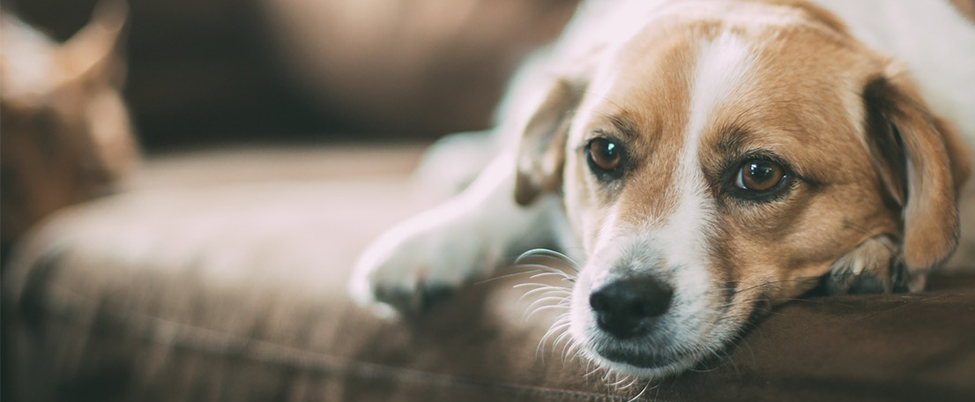
Bringing a new dog home is a joy, however, there are many things to consider - especially if you’ve not owned a dog before. This article outlines the steps you need to take to help you prepare and for your new family member to settle in safely and confidently.
Checklist of things every new dog owner should do
- Register with a vet
- Arrange vaccinations
- Microchip your dog
- Start training early
- Keep identification updated
- Consider pet insurance
Register your dog with a vet
Book a vet check-up early. Your vet will confirm the right vaccination schedule and when it’s safe to visit public places. Keep your vaccination record safe; kennels, groomers and some classes may ask to see it, and it helps you stay on top of boosters.
Vaccinations, worming, and flea treatment
Ask about worming and flea or tick control - especially if you’ll be in long grass or near livestock.
Microchipping and legal requirements in the UK
Ensure your dog is microchipped and your details are correct. In the UK, dogs must also wear a collar and ID tag in public.
Grooming and health checks
Grooming is a quick health check. Brush as your dog’s coat requires and after walks check paws for thorns and look for ticks, especially around their ears and belly. Persistent itching, hair loss, lumps or sore skin should be checked by your vet.
Neutering
If you don’t plan to breed, ask your vet about neutering and the best timing for your dog’s age and breed.
Keeping your dog safe outdoors
Training keeps dogs safe and enjoyable to live with. Start straight away with short, rewarding sessions and positive reinforcement. Classes can help with socialisation, and rescue dogs often benefit from calm routines. Practise recall around distractions and use a lead near livestock. If behaviour changes suddenly, speak to your vet first.
Unneutered dogs may be more likely to roam, so secure fencing and supervision are essential, whatever you decide.
How to help protect your dog from theft
Dog theft can be opportunistic. Don’t leave your dog tied up outside shops or alone in an unseen garden. Secure gates and fencing and avoid sharing real-time locations online. Keep a clear photo of your pet and note any distinctive markings, just in case.
Legal basics and pet insurance
Legally, your dog must be microchipped, wear an ID tag in public, and be kept under control. You also may be responsible if your dog injures someone or damages property and allowing a dog to be dangerously out of control is an offence, in public or private places.
Is pet insurance worth it?
Many new owners also choose to consider pet insurance, as unexpected veterinary treatment can become expensive - particularly in the first few years of ownership. Dog insurance isn’t a legal requirement, but it may be worth considering. Some policies can also help with liability claims, for example if your dog causes injury or damage.
If you're a new or existing NFU Mutual Home Contents Insurance policyholder, Dog & Cat Insurance can easily be added to your policy.