Helping to protect your thatched home from fire
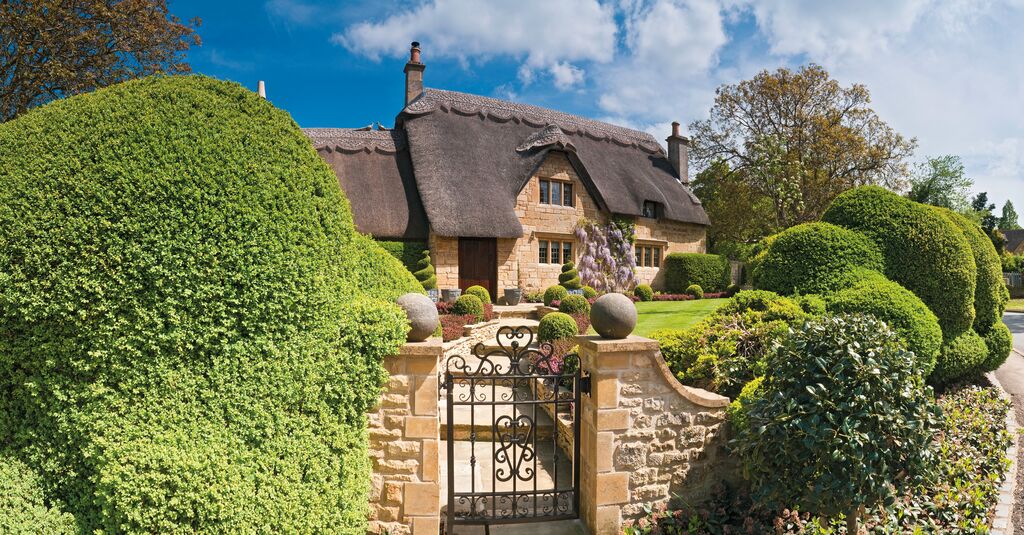
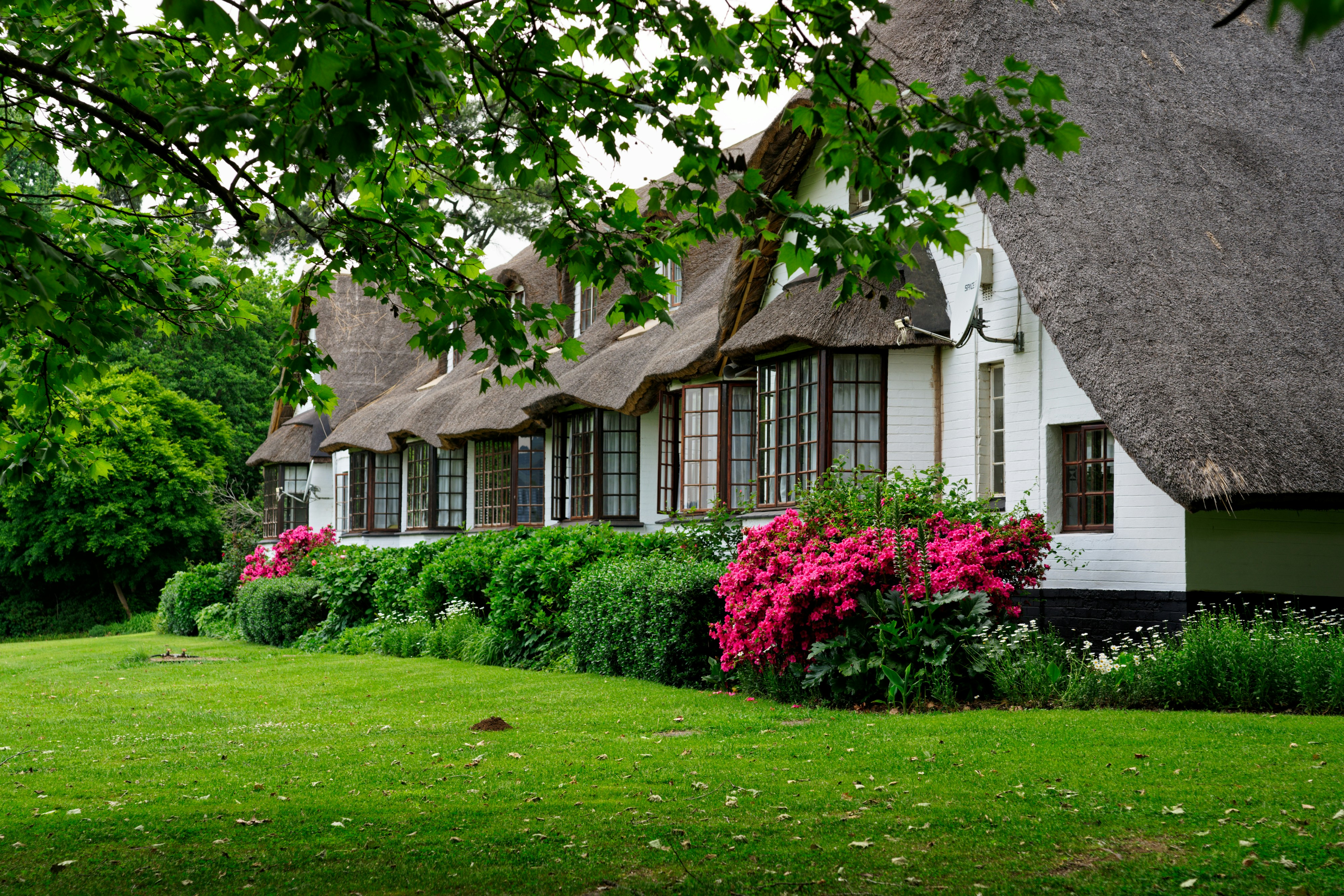
Thatched homes are full of charm and character, but their roofs need extra care to help protect them from fire.
At NFU Mutual, we’ve seen an increase in thatch fires in recent years. In many cases, taking a few simple precautions may have helped to prevent them.
Because every thatched home is unique, it’s especially important to make sure yours is adequately insured, helping to protect you from potentially costly repairs.
Here are some practical steps you can take to reduce the risk of fire and help protect your thatched home.
For more general advice on thatch you can also read NFU Mutual’s Protect your thatched home booklet.
Seasonal changes
Following hot summer weather, thatched roofs are left very dry and more vulnerable to ignition, particularly from embers released by a wood-burning stove.
After a warm, dry spell, try and wait until there has been a prolonged period of wet weather before using your fire or stove.
Keep your thatch in good condition
Dry or poorly maintained thatch can be more vulnerable to fire. Have your roof inspected by a competent thatcher at least once every five years and arrange any recommended maintenance promptly.
An experienced thatcher can assess the roof’s condition and recommend work before minor issues become more serious. Remember to book planned maintenance or repairs early, as thatchers are often in high demand and may be scheduled well in advance.
Like many thatch insurers, roof inspection at least every five years is required to meet the needs of a NFU Mutual thatch insurance policy. You will need to keep the inspection report and the invoices for any remedial work as we may need to review this.
Arrange regular chimney maintenance
A build-up of debris or a blockage, such as a bird’s nest, in the chimney or flue can increase the risk of fire. Have any chimney in use professionally swept at least once a year before using it in autumn (between May and September). Remember to keep the invoice as evidence of the work as you may require it for insurance purposes.
Fitting a bird guard can also help prevent future blockages.
Use your stove or fire safely
- Avoid disturbing the fire bed unnecessarily and control the airflow to reduce the risk of sparks or embers reaching dry thatch.
- Do not use paper or card to light the stove. Only use approved firelighters and properly seasoned wood.
- Use seasoned wood with the correct moisture content and never use the stove to burn waste.
- Once the fire is established, adjust the air vents to the normal setting recommended by the manufacturer. Too little airflow can cause tar to build up in the flue, while too much can increase the risk of embers escaping.
- When leaving the stove unattended or overnight, close the stove door and set the air vents to the minimum setting recommended by the manufacturer.
- Keep stored logs a safe distance from the wood-burning stove.
Many of the measures outlined above are also reflected in the requirements that apply to insurance cover for thatched properties, such as regular chimney sweeping, roof inspections and fire safety precautions. You should always check your policy documents to understand any conditions that apply to your home.
Review your insurance policy regularly
A fire at home is not only distressing but repairing or rebuilding a thatched property may take longer and cost more than work on a conventionally roofed home. Specialist skills and materials, such as thatching straw, can be difficult to source, and labour and material costs may change over time.
To make sure you have sufficient cover, regularly check that your buildings sum insured reflects the current cost of rebuilding your home. If your property is damaged or destroyed and you are underinsured, your insurance payout may not cover the full cost of repairs or reconstruction.
Building sums insured is different from market value, so we’d recommend having the buildings sum insured reviewed by a professional to ensure it remains accurate.
You can find out more about rebuild costs in our article What is rebuild cost in home insurance?
For more general advice on thatch you can also read NFU Mutual’s Protect your thatched home booklet.
If you have any questions about your cover, contact your local NFU Mutual agency office.