Flood damage: what happens next?
Flooding can cause significant disruption to your home, farm or rural property. If your property has been affected by flooding, knowing what to do next and what to expect from your home insurance claim can make the recovery process easier.
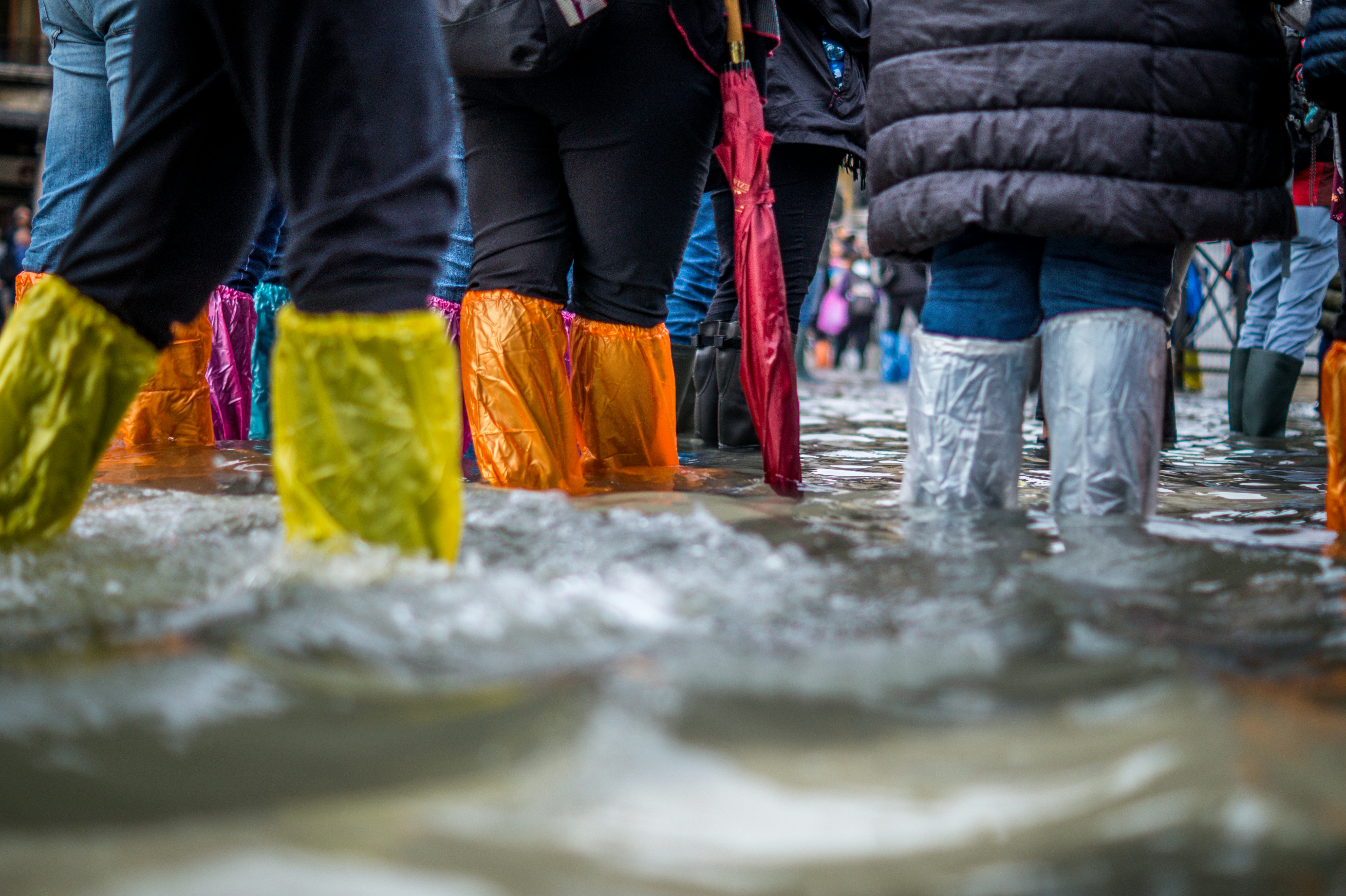
From making your property safe and assessing the damage to drying, restoring belongings, and completing repairs, we’ll explain the flood claims process and how we can support you along the way.
What should I do after a flood?
If your property has been flooded, your first priority should be keeping yourself and others safe.
- Follow advice from the emergency services and avoid contact with floodwater where possible.
- Don’t use electricity or gas if you believe it may be unsafe.
- Contact us as soon as you can to report your claim.
- If it’s safe, take photographs or videos of the flood damage before moving or disposing of items.
- Keep receipts and records of any emergency expenses.
- Don’t throw damaged belongings away unless they’re a safety risk or you’ve been advised to do so.
You can take reasonable steps to prevent further damage if it’s safe, but avoid major cleaning, stripping out or repairs until you've spoken to the claims team. Floodwater can contain contaminants, so specialist cleaning and protective equipment may be needed.
The flood claims process explained
Every flood claim is different, but there are several stages you can generally expect as your property is assessed, dried, and restored.
1. Make your property safe
After a flood, we'll work with you to understand what's happened and what needs to be done to make your property safe.
Depending on the damage, this could include isolating services, removing standing water, arranging temporary protection, checking for contamination or bringing in qualified specialists.
For farms and rural properties, we understand that flooding can affect more than your home. Access routes, agricultural buildings, equipment, livestock and day-to-day operations can all be impacted, so we'll take your individual circumstances into account.
2. Assess the flood damage
A loss adjuster or another appointed specialist may assess the damage to your property. This could involve visiting your property, although some assessments may be carried out remotely where appropriate.
They'll take the time to understand what's been affected, discuss your circumstances, and explain what happens next.
3. Create a recovery plan
Once the extent of the flood damage is understood, we'll work with specialist restoration experts to develop a recovery plan.
Recovering from a flood isn't simply about removing the water. The property needs to be carefully dried, further damage prevented, and affected areas assessed to understand what can be restored or repaired.
For farms, estates, and rural businesses, we'll also consider how recovery can be managed while minimising disruption to ongoing operations.
4. Dry and restore your property
Drying is one of the most important stages of recovering from flood damage.
Trapped moisture can cause further damage, mould, and problems with new finishes, so your property needs to reach appropriate moisture levels before repairs can begin. The drying process should also take account of how your property was constructed, particularly if it's an older or traditionally built property.
Specialists will monitor the drying process and keep you updated on progress.
5. Assess damaged belongings and contents
Flooding can affect furniture, equipment, and personal belongings as well as the building itself.
Affected belongings will be assessed to determine whether they can be cleaned, restored or repaired. Where appropriate, specialist restoration professionals may be able to recover items affected by floodwater.
Some belongings may be taken away for specialist treatment and stored in a controlled environment until your property is ready for them to be returned. Where an item can't be restored, we'll explain the replacement or settlement process, subject to your policy cover.
6. Repair and reinstate your property
Once your property is safe, the work required has been agreed and drying has reached the appropriate level, repairs can begin.
Depending on your policy and claim, this could involve a managed repair service, using your own contractor or discussing a cash settlement. Speak to your claims contact before committing to repair work.
Whether we're helping restore a family home, agricultural buildings or a rural business, we'll work with you throughout the recovery process.
How long does it take to dry a property after a flood?
There's no single timeframe for drying a property after flooding. How long it takes depends on factors including the depth and duration of the flooding, the materials affected, weather and ventilation, contamination, and the drying method being used.
Your restoration specialist will monitor moisture levels and keep you updated on progress. It's important that your property is sufficiently dry before repairs begin because starting repairs too soon could trap moisture and cause further problems.
Why is drying important after a flood?
Floodwater can leave moisture trapped within walls, floors, and other parts of a building even after the visible water has been removed.
Drying the property properly helps prevent further damage, mould, and problems with repaired surfaces and finishes. The drying approach also needs to be suitable for the property's construction, particularly in older or traditionally built homes.
Will I need to move out of my home after a flood?
Not always.
If your home can't be safely occupied or essential facilities aren't available, temporary accommodation may be considered, subject to your policy cover.
Tell the claims team about any circumstances that may affect the accommodation you need, including children, health conditions, mobility needs or pets.
What happens to my belongings after a flood?
Belongings affected by floodwater will be recorded and assessed to determine whether they can be cleaned, restored or repaired.
Don't throw damaged belongings away unless they pose an immediate health or safety risk or you've been advised to do so. If possible, photograph affected items and keep receipts, labels, model numbers or other evidence that could help with your claim.
Tell us as soon as possible if sentimental or high-value belongings have been damaged, including photographs, important documents, jewellery, artwork or antiques. Specialist restoration techniques may be able to recover items that initially appear badly damaged.
Frequently Asked Questions About Flood Claims
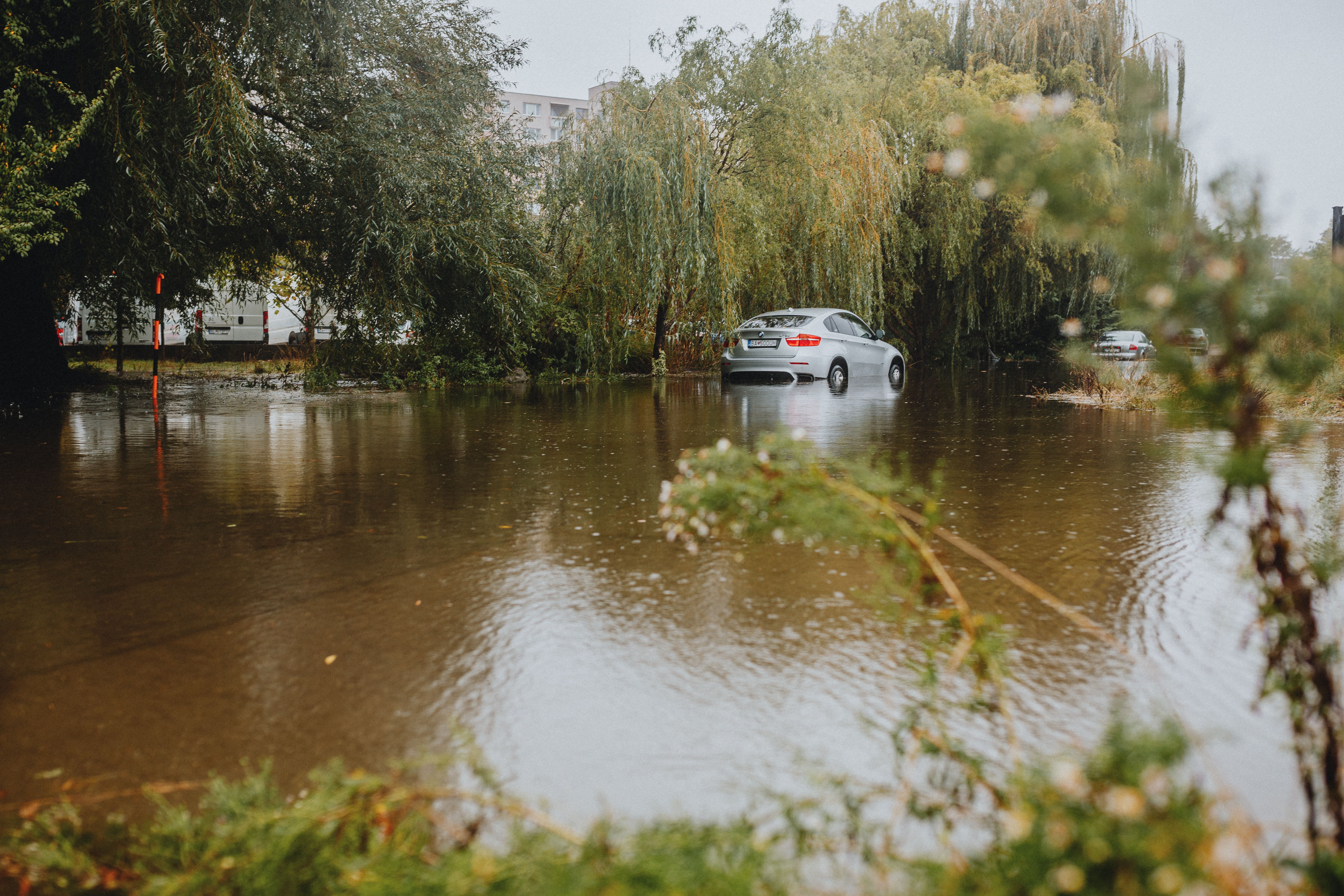
Supporting you after a flood
Recovering from a flood can take time, but you don't have to navigate the process alone.
From assessing the initial damage and drying your property to restoring belongings and completing repairs, we'll help you understand what happens next and keep you informed at key stages of your claim.