Signs of identity theft: what to look for and what to do next
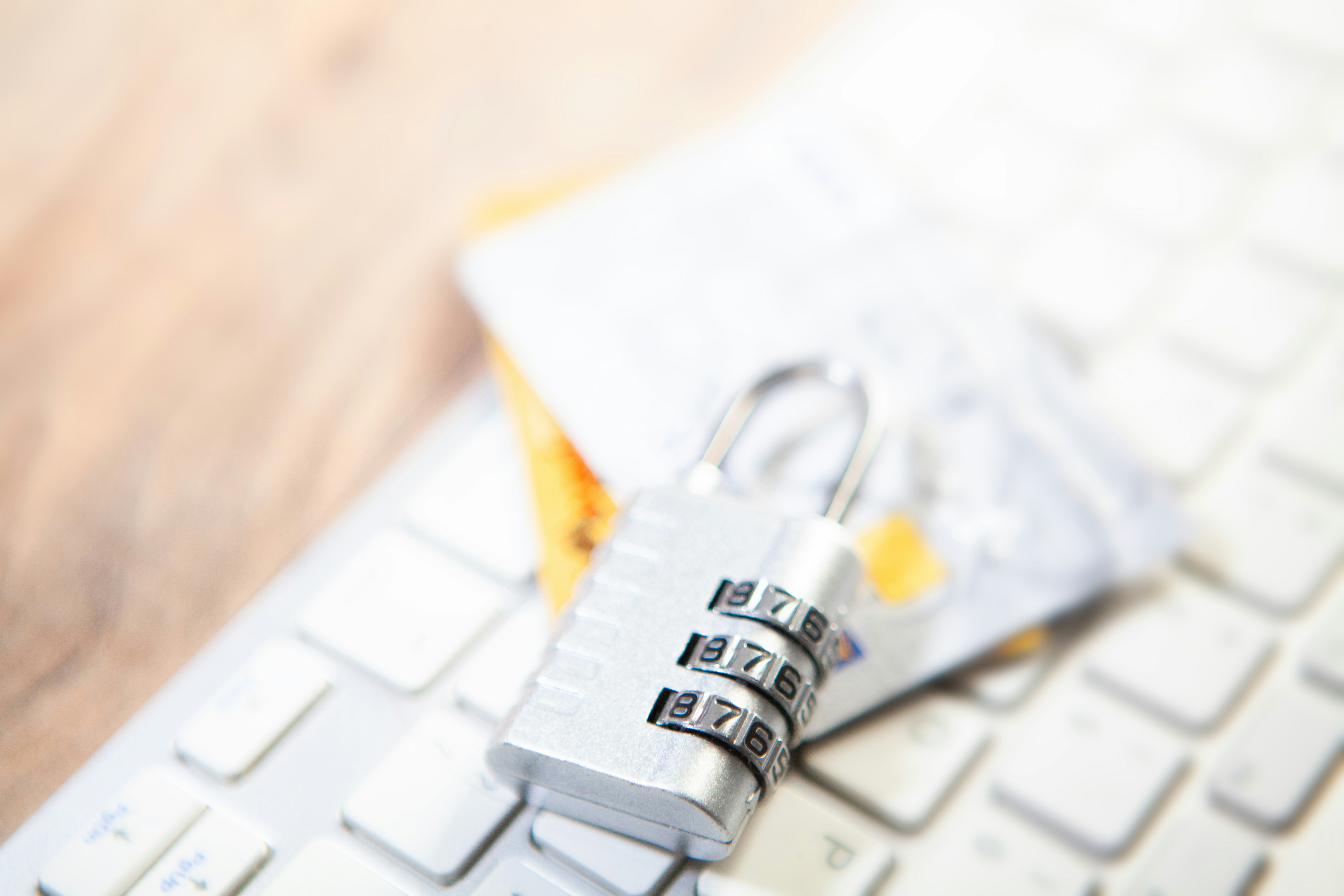
For many people, identity theft begins with something easy to dismiss: an unfamiliar card transaction, a security alert, or a password reset email that arrives out of the blue. What appears to be a minor inconvenience can sometimes be the first sign that personal information has fallen into the wrong hands.
The earliest warning signs can be easy to overlook. Recognising them early can help you check whether your identity has been compromised and act before the problem escalates.
These incidents can seem isolated, but they may be early indicators that personal information has been compromised or that other online accounts are at risk. Looking beyond the first sign can help uncover linked problems sooner.
When protecting a lifestyle, high-net-worth individuals often invest in physical security, from safes and alarms to specialist protection for valuable possessions. Yet digital risks can be easier to overlook, even when identity theft signs appear.
As more daily activities move online, from banking and investing to shopping and communication, online accounts have become increasingly interconnected. If personal information falls into the wrong hands, the impact can extend beyond a single account, potentially affecting multiple areas of an individual's digital life. Acting quickly can help limit the damage.
High-net-worth individuals often have a larger digital footprint, with multiple financial and investment accounts, property-related services, online subscriptions and high-value purchases. Business ownership, charity trustee roles, household staff and family office administration can add further connections between people, accounts and services. If personal information is compromised, this complexity may create more opportunities for criminals to exploit it.
Recognising identity theft warning signs early and knowing what steps to take can help reduce the risk of a situation escalating. Unauthorised charges are among the most common indicators, but login alerts, account changes and other small inconsistencies can be equally important.
At a glance
- Identity theft often begins with subtle warning signs that are easy to dismiss.
- Unauthorised transactions and unusual account activity should never be ignored.
- A compromised account can sometimes expose other connected accounts.
- Early action can help reduce the risk of financial loss and disruption.
- Specialist support can help identify and manage wider risks across connected accounts.
What are the warning signs of identity theft?
The signs of identity theft aren't always immediately obvious. Many people expect identity theft to involve significant financial losses, but the earliest indicators are often far more subtle.
Common warning signs include:
- Unauthorised charges or transactions on your credit or debit card.
- Password reset emails or security notifications you didn't request.
- Unusual activity on email, social media or online shopping accounts.
- Login alerts from unfamiliar devices or locations.
- Unexpected changes to account settings or personal information.
- Messages sent from your accounts that you didn't write.
- New accounts or services appearing in your name that you don't recognise.
While any of these issues may have an innocent explanation, they can also indicate that someone is attempting to access personal information or connected accounts. Treat unfamiliar activity as a prompt to investigate rather than something to explain away.
How criminals obtain personal information
Personal information can be gathered in many ways, including phishing emails, fake delivery notifications, data breaches, weak or reused passwords, social engineering and details shared publicly online. Criminals may combine small pieces of information from different sources to impersonate an individual or gain access to an account.
Why complex financial and digital lives can increase identity theft risk
Many people think of their online accounts as separate. In reality, they're often closely connected.
Email accounts, banking platforms, investment services, online retailers, and social media accounts typically rely on shared contact details and account recovery processes. If a criminal gains access to one source of personal information, they may use it to target other accounts or gather additional information.
This is why suspicious activity should not be viewed in isolation. What first appears to be a minor issue can reveal wider vulnerabilities across several areas of your digital life.
When a small concern reveals a bigger problem
The importance of acting early is highlighted by an NFU Mutual policyholder who managed a Facebook community group dedicated to local road safety, serving around 800 residents.
What began as an unauthorised charge on a credit card soon developed into a much wider concern. Unusual activity appeared across personal and administrative email accounts linked to the community group.
Rather than dismissing the signs or assuming the issue had been resolved, the policyholder contacted the dedicated cyber assistance helpline, CyberScout, for advice.
What looked like an isolated card fraud incident ultimately exposed vulnerabilities across several linked accounts. The case highlights a simple but important point: when unusual activity occurs, it is worth checking whether the issue extends beyond the account where it first appeared.
Five-minute identity theft check
Take a few minutes to review:
- Recent bank and credit card transactions
- Login notifications from key accounts
- Saved contact details on important accounts
- Credit report activity
- Security settings and multi-factor authentication
- Devices currently signed in to your accounts
If anything appears unfamiliar, investigate further and contact the relevant provider.
What should you do if you suspect identity theft?
If you think your personal information may have been compromised, acting quickly can help limit further risk. Start with these practical steps:
- Change passwords on affected accounts and any accounts that reuse those passwords.
- Use strong, unique passwords across important accounts.
- Enable multi-factor authentication where available.
- Review recent account activity and login history.
- Monitor bank and credit card statements for unusual transactions.
- Contact providers if you believe an account may have been compromised and ask them to review any unauthorised account activity.
- Consider placing fraud alerts or credit freezes with credit reference agencies.
- Report suspicious or unauthorised charges to your bank or card issuer.
- Seek specialist support if you're unsure about the extent of the issue.
Taking action early is not simply about preventing financial loss. It can also reduce uncertainty and provide reassurance that your wider digital life remains protected. Professional guidance can help establish the extent of a problem and clarify the right next steps.
Why expert support matters
Identifying and responding to a potential identity theft or cyber incident can be daunting. Understanding the extent of a breach, the risks involved, and the most appropriate next steps isn't always straightforward.
Speaking to an experienced cyber specialist can help individuals understand the situation, identify any wider risks and take practical steps to protect themselves.
Access to specialist support can be particularly valuable when warning signs are unclear, accounts are interconnected or there is uncertainty about what information may have been exposed. An expert can help identify wider risks and prioritise the steps needed to secure affected accounts.
Support through NFU Mutual High Value Home Insurance
NFU Mutual High Value Home Insurance includes preventative and proactive Personal Cyber Cover as standard, giving policyholders access to specialist support through CyberScout, a TransUnion company.
Through a confidential helpline, digital risk professionals can provide practical advice, reassurance, and guidance at the first sign of an issue, whether a customer is concerned about suspicious activity, wants to discuss a potential risk or needs support following an incident.
Alongside cyber support, High Value Home Insurance Advisers take the time to understand individual circumstances, providing personal guidance and tailored protection for homes and lifestyles.
Protect your home, lifestyle and digital identity. Get a High Value Home Insurance quote and find out how Personal Cyber Cover can support you.
Protecting your personal information
Identity theft rarely announces itself with a major event. More often, it starts with a small inconsistency that is easy to explain away.
Recognising the signs early, taking prompt action and seeking specialist support when needed can help prevent a minor issue becoming a much larger problem.
For high-net-worth households, protecting digital identities is increasingly as important as protecting physical assets.

Concerned your identity may have been compromised?
Identity theft is not always limited to a single account. Criminals may use stolen information across email accounts, online banking, investments, shopping accounts and social media profiles.
Learn how Personal Cyber Cover and specialist support from CyberScout can help identify wider risks and provide practical guidance following a suspected cyber incident.