Escape of oil: what happens next?
Discovering an oil leak at your home or farm can be worrying, particularly when the damage isn’t immediately visible. Oil can spread into buildings, soil, drainage systems, and surrounding land, so acting quickly can help limit further damage.
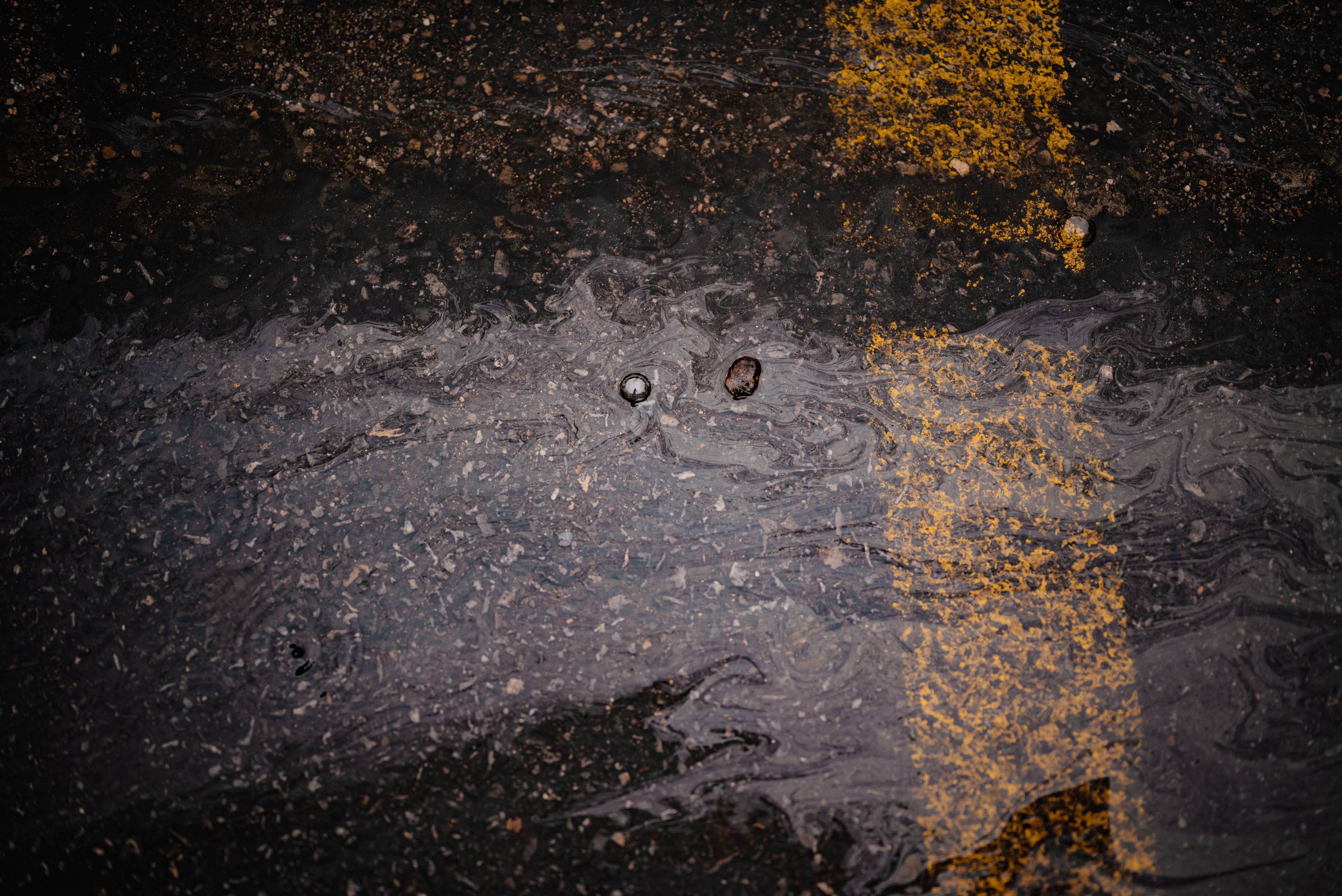
From taking immediate action and assessing contamination to cleaning, remediation and restoring your property, we’ll explain what happens during an escape of oil claim and how we can support you through the recovery process.
What should I do if I discover an oil leak?
If you discover a heating oil leak, act quickly, but only if it’s safe to do so.
- Stop the oil supply at the tank isolation valve if you know how and it’s safe.
- Switch off the appliance and keep naked flames and other ignition sources away.
- Keep people and animals away from the affected area.
- Don't wash oil away or allow it to enter drains, ditches, wells or watercourses.
- Contact us promptly to report your claim.
- If oil is continuing to escape, contact your oil supplier or a qualified heating engineer for emergency assistance.
- Take photographs and keep records of what has happened where possible.
- Don't dispose of the failed tank, pipework or damaged materials until this has been agreed.
- Call 999 if there is an immediate danger.
If a small amount of oil is spreading across the surface, sand, soil, commercial oil-absorbent granules or absorbent pads may help contain it where safe to do so. Don't use sawdust or other combustible materials close to an ignition source.
The escape of oil claims process explained
Every oil leak is different. The location of the leak, how much oil has escaped and how far it has travelled can all affect the recovery process.
1. Stop and contain the oil leak
The first priority is to prevent further oil escaping and protect people, property and the surrounding environment.
Where needed, we'll arrange specialist environmental support to assess the impact on your building, land, drainage systems, and surrounding areas.
At a farm or rural property, an oil leak may also affect gardens, agricultural land, outbuildings, livestock areas, and business operations, so these will need to be considered as part of the assessment.
2. Assess the oil damage and contamination
An environmental consultant, loss adjuster or specialist contractor may visit your property to identify the source of the leak and understand how far the oil may have travelled.
Assessment can include checking the tank and pipework, inspecting buildings and land, soil or water sampling, vapour monitoring and investigations beneath floors. The approach will depend on your property and where the oil could have spread.
3. Create a recovery plan
Oil contamination can be complex, so specialist investigation may be needed before recovery work begins.
Environmental and restoration experts will assess the impact and develop a recovery plan appropriate to your property. Where necessary, this may also include liaison with the Environment Agency.
Depending on the damage, the plan could include:
- contamination testing
- specialist cleaning
- removing affected soil or building materials
- controlling oil vapours
- treating affected soil or water
- restoring damaged property or land
- ongoing monitoring.
4. Remediate and restore your property
Once the recovery plan has been agreed, specialist contractors can begin addressing the contamination and restoring affected areas.
This might involve cleaning affected areas, removing or treating contaminated material, and replacing damaged parts of the property. Once remediation is complete, buildings, surfaces, and landscaping can be reinstated where necessary.
The aim is to use an approach suitable for the level of risk without causing unnecessary disruption. For example, not all contaminated soil will necessarily need to be removed.
5. Keep you informed
Your environmental claims handler will usually be your main point of contact throughout the claim.
They’ll help you understand the investigation findings, recovery plan, specialist work, and what happens next, including any involvement from environmental regulators where required.
Why can oil leak damage be difficult to see?
Heating oil doesn’t necessarily remain where the leak happened.
Oil can travel through soil, cracks, drains, service trenches, and layers beneath floors. You may notice an oil smell somewhere away from the original leak, while contamination can also remain beneath flooring or outside your property even when there is little visible damage at the surface.
This is why specialist investigation may be required to establish how far the oil has spread before the appropriate remediation work can be agreed.
What happens if oil gets into my home?
If heating oil has entered your home, specialists may need to assess the floors, walls, insulation, voids, and indoor air to understand the extent of the contamination.
Depending on what's found, work could include ventilation, specialist cleaning, removing contaminated building materials, controlling vapours or targeted excavation. Affected areas need to be suitable for reinstatement before materials are replaced.
How long does it take to clean up an oil leak?
There's no single timeframe for recovering from an oil leak.
A small, contained spill may be resolved relatively quickly. More significant contamination, particularly where oil has travelled beneath a building or reached groundwater, can involve investigation, remediation and monitoring over several months.
Your claims contact will explain the current stage of your claim and what needs to happen next.
Will I need to move out of my home after an oil leak?
Not always.
However, significant odours or vapours, contaminated building materials or intrusive remediation work can sometimes mean temporary accommodation is necessary.
The environmental consultant and claims team will assess your circumstances and advise you if you need to move out. Any accommodation support will depend on your policy and individual claim.
What happens if an oil leak affects my garden or farmland?
For rural properties, an oil leak can affect more than the building where the leak occurred.
The recovery plan can take account of gardens, agricultural land, outbuildings, drainage, livestock areas, and ongoing business activity. Tell the environmental consultant about crops, animals, private water supplies, septic systems, buried services, and any operational requirements that could be affected by the recovery work.
Need home insurance?
Protect your home and the things that matter to you. Find out more about NFU Mutual Home Insurance and the cover available for your home and belongings.
Frequently Asked Questions About Flood Claims
Supporting you after an oil leak
Oil contamination can be complex, but you won't have to manage the recovery process alone.
Your environmental claims handler will work with specialist consultants and contractors to help assess the contamination, develop an appropriate remediation plan, and restore your property or land.