Fire damage: what happens next?
A fire at your home, farm or rural property can cause significant damage and disruption. Once everyone is safe, you may be wondering what happens next, what can be restored, and how your home insurance claim will work.
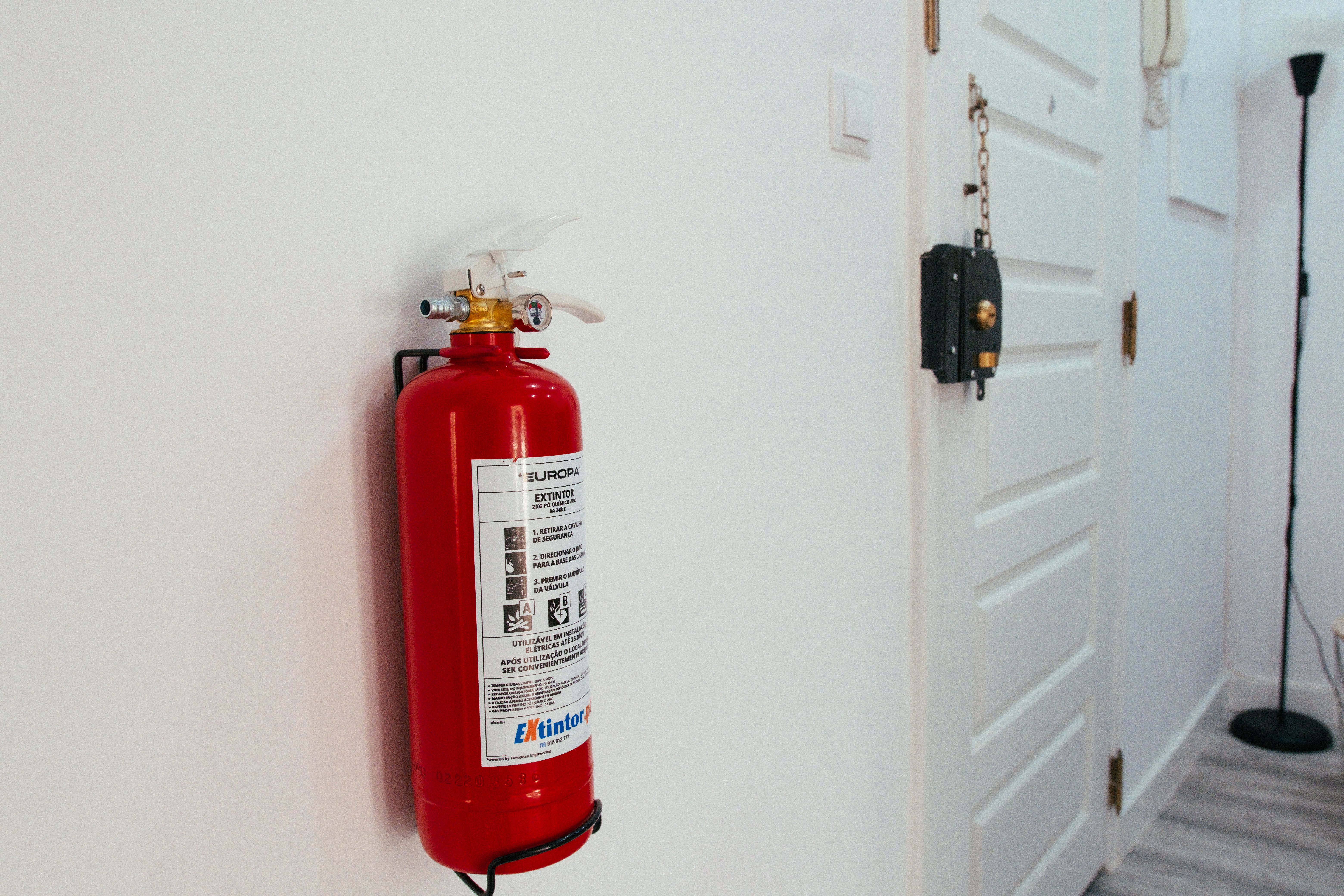
From making your property safe and assessing fire, smoke, and water damage to restoring belongings and repairing or rebuilding your property, we'll explain the fire claims process and how we can support you through your recovery.
What should I do after a fire?
If your property has been affected by fire, your first priority should always be keeping yourself and others safe.
- Call 999 if there is still a fire or any immediate danger.
- Follow the advice of the fire and rescue service.
- Don't re-enter the property until it has been declared safe.
- Contact us as soon as possible once immediate risks are under control.
- Take photographs or videos of the damage only where it's safe to do so.
- Keep receipts and records of emergency expenses.
- Don't clean soot or dispose of damaged belongings until you've been advised to do so.
Fire can weaken floors, roofs, and walls, while electricity, gas, smoke, soot, asbestos or contaminated water can create additional hazards. Wait until the fire and rescue service, building control or another suitably qualified professional says the property is safe before going back inside.
The fire claims process explained
Every fire claim is different. The extent of the fire, smoke, and water damage, the condition of the building and how much repair or rebuilding is required can all affect the recovery process.
1. Make your property safe
The immediate priority after a fire is making the property safe and dealing with any urgent needs.
Emergency measures could include boarding damaged openings, temporary fencing, protecting the roof, isolating services or removing immediate hazards. What needs to happen will depend on the condition of the property and advice from the emergency services and other specialists.
We'll also consider the practical support you need, whether that's protecting your home and belongings, safeguarding farming operations or helping you find temporary accommodation.
2. Assess the fire damage
A loss adjuster, surveyor or other specialist may inspect your property to understand the extent of the damage and help plan the recovery.
Where necessary, a structural engineer or other expert may also be appointed to assess the stability of the building or investigate the cause of the damage.
The assessment won't necessarily be limited to areas visibly damaged by flames. Smoke, soot, and water used to extinguish the fire can also affect other parts of the property
3. Plan the recovery
Once the damage and condition of the property are understood, we'll develop a recovery plan tailored to your circumstances.
Where possible, specialist cleaning and restoration professionals can assess damaged belongings and materials to determine what may be cleaned, repaired or restored. If repairs or rebuilding are needed, we'll help identify a suitable contractor or work alongside a contractor of your choosing where appropriate.
For farms and rural businesses, we'll also consider the wider impact on day-to-day operations and help minimise disruption wherever possible
4. Restore your belongings
Belongings affected by fire, smoke, soot or firefighting water can be recorded and assessed to determine whether specialist cleaning, restoration or repair is possible.
Some items may need to be removed for treatment and secure storage. Tell your claims team as soon as possible about any sentimental, essential or high-value belongings that have been affected.
Don't dispose of damaged items until they've been recorded and this has been agreed with the claims team, unless they present an immediate health or safety risk.
5. Repair or rebuild your property
Once the damage and structural condition are understood, a scope of work can be prepared for the repairs or rebuilding required.
Depending on the claim, this may involve surveyors, structural engineers, cleaning specialists, and building contractors. Planning permission, building regulations or the need for specialist materials can also affect the repair programme.
Depending on your policy and claim, you may be able to use a managed repair service, appoint your own contractor or discuss a cash settlement. Speak to your claims team before appointing a contractor or starting work.
6. Keep you updated
Recovering from significant fire damage can take time and involve several specialists.
Your claims handler and/or loss adjuster will provide updates at key stages, answer questions, and explain important decisions, progress and any delays.
What happens to smoke and soot damage after a fire?
Smoke and fine soot particles can travel beyond the rooms directly affected by the fire, including through doors, roof spaces, ventilation systems, and hidden voids.
Some residues can be corrosive or cause persistent odours, which means specialist inspection and cleaning may be necessary even where there is little visible fire damage.
Avoid wiping soot from walls, ceilings, fabrics or electrical items before receiving advice. Using the wrong cleaning method can spread the residue or fix it into the affected surface.
What happens to water damage caused by firefighting?
Water used to extinguish a fire can cause additional damage and will be assessed alongside the effects of fire and smoke.
Depending on the extent of the damage, water extraction, drying, contamination control, and monitoring may be necessary before repairs can begin.
What happens to my belongings after a fire?
Your belongings will be assessed to understand what can be cleaned, restored or repaired and what may need to be replaced.
Some belongings may be taken away for specialist treatment and stored securely while your property is being restored. Let the claims team know about sentimental, essential or high-value items as early as possible.
Don't throw damaged belongings away before they've been recorded and you've been advised it's OK to do so, unless they pose an immediate safety or health risk.
Will I need to move out of my home after a fire?
If fire damage means your home can't be safely occupied, temporary accommodation may be available if your policy provides cover.
Tell the claims team about anything that needs to be considered when arranging accommodation, including the size of your household, work and school locations, pets, mobility requirements or medical needs.
How long does it take to repair a home after a fire?
There's no single timeframe for recovering from fire damage.
The timescale will depend on factors including the severity of the fire, structural investigations, debris removal, drying and cleaning, the design and permissions required, availability of materials and the scale of the repairs or rebuilding.
Your claims team will keep you informed about the current stage of your claim, what needs to happen next and any factors affecting progress
Need home insurance?
Protect your home and the things that matter to you. Find out more about NFU Mutual Home Insurance and the cover available for your home and belongings.
Frequently asked questions about fire claims
Supporting you after a fire
Recovering from a fire can take time, but you don't have to navigate the process alone.
We'll work with you and any appointed loss adjusters, surveyors, engineers, restoration specialists and contractors to assess the damage, plan the recovery and help restore or rebuild your property.