Exeter
Renewable energy on farms: diversification in practice
6th November 2026
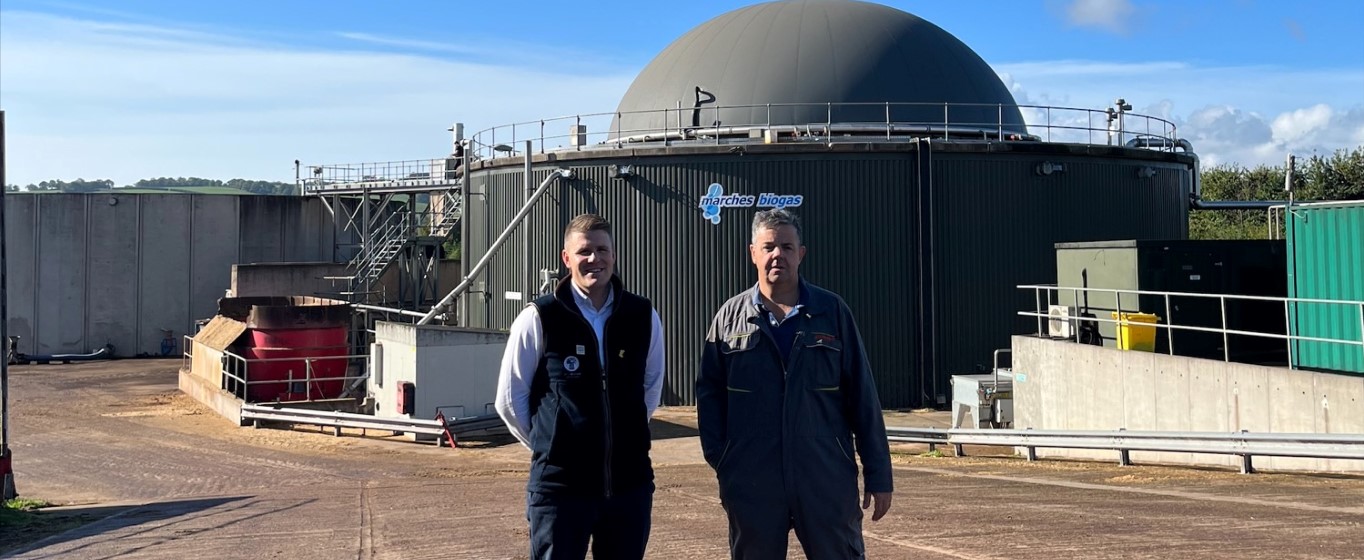
Renewable energy can provide farmers with opportunities to diversify income, make better use of existing land and buildings, and support their wider farming operations.
For Devon farmers Johnny and Clare Clapp, investing in anaerobic digestion, solar energy, and ground source heating has become an important part of a wider diversification strategy that complements their farming business.
Here, we look at how renewable energy works alongside their farming activities, what they’ve learned from diversification and their advice for other farmers considering new opportunities.
Renewable energy as part of farm diversification
Johnny and Clare farm 1,100 hectares near Tiverton in Mid Devon, growing a mix of arable crops including wheat, barley, oats, rye, maize, lupins, and triticale.
Clare also runs a prize-winning 50-head pedigree Charolais beef herd, while the couple produce livestock feed from grass and lucerne.
Over time, they’ve developed several diversified enterprises alongside the farm, including commercial property and renewable energy.
“We’ve steadily made the farm more sustainable by introducing diversification enterprises which complement our farming activities,” says Johnny, who has worked at Hartnoll Farm throughout his working life.
Having different income streams also helps the business manage fluctuations in farming income.
“Having an income from commercial letting and renewables complements the farming side of our business, so when arable prices are down there’s a good chance that our lettings and renewables income will help balance the books.”
How renewable energy supports the farm
Rather than operating independently from the farm, Johnny and Clare’s renewable energy investments work alongside their existing agricultural activities.
Energy generated on the farm helps to dry crops, which are then processed into high-quality animal feed for dairy and beef farms. Their latest innovation is dried grass pellets.
Their renewable energy mix includes anaerobic digestion, solar energy, and ground source heating.
Anaerobic digestion
The farm’s anaerobic digester was installed in 2017 and initially operated by an external company. Johnny and Clare bought the plant two years later, enabling them to integrate it more closely with their farming and energy operations.
Fuelled by a mixture of whole crop and maize grown on the farm, the anaerobic digester uses fermentation to break down organic material and produce renewable energy.
Solar energy
The farm’s diversification journey began in 2005, when redundant dairy buildings were converted into commercial units.
Solar panels were subsequently installed on the roofs of the buildings, generating electricity that is predominantly used by the tenants.
Ground source heating
Ground source heat pumps provide another part of the farm’s renewable energy mix, producing heat that's used to dry crops grown for livestock feed.
Together, the different technologies allow renewable energy to support rather than sit separately from the core farming operation.
Choosing the right farm diversification opportunity
For Johnny, one of the most important considerations for farmers exploring diversification is finding opportunities that fit with their existing operations, resources, and skills.
“Developing new opportunities which complement the farming side of the business over the long term is the way we work.”
He also stresses the importance of carefully considering the commercial case before investing in renewable energy.
“You must make sure that you have good supply contracts in place and at a price which is sustainable. It’s not always predictable, and to my mind it could still be a risky investment as a stand-alone diversification.”
For Johnny and Clare, diversification into commercial property helped generate capital that could be invested back into the farm, while renewable energy has helped them add value to crops they already grow and manage.
Understanding the risks of renewable energy diversification
Renewable energy can present opportunities for farming businesses, but introducing new technologies can also change the risks a farm needs to manage.
The considerations will depend on the type of renewable energy involved. Solar installations, anaerobic digestion plants, and battery energy storage systems can each introduce different operational, maintenance, and safety considerations.
Considering these risks from the outset and maintaining equipment appropriately should therefore form part of the planning for a renewable energy diversification project.
Johnny says rigorous attention to health and safety and regular maintenance are priorities across their diversified activities.
Protecting a diversified farming business
As the farm has diversified, Johnny and Clare have worked closely with NFU Mutual to make sure their farming and other business activities are appropriately protected.
“NFU Mutual understands farming and renewables, so everything is insured with them. When we’re planning a new diversification, we just give our Agent Pete Randerson a call at the Tiverton office, he explains what inspections and maintenance schedules are needed and it’s all quickly sorted.”
Pete Randerson, NFU Mutual Agent in Exeter, Tiverton and South Molton agency, works with Johnny and Clare to understand both their farming activities and diversified businesses.
“Johnny and Clare are a great example of the many farmers who are making the most of their land, buildings and location to build sustainable businesses which help support the local economy.”
Considering renewable energy for your farm?
Renewable energy is one of many ways farmers can diversify their businesses.
Finding an opportunity that complements the existing farm, understanding the investment involved, and considering potential risks from the outset can help farmers decide whether a diversification opportunity is right for their business.
NFU Mutual has supported the farming community for over 110 years and provides insurance for farming and diversified businesses.
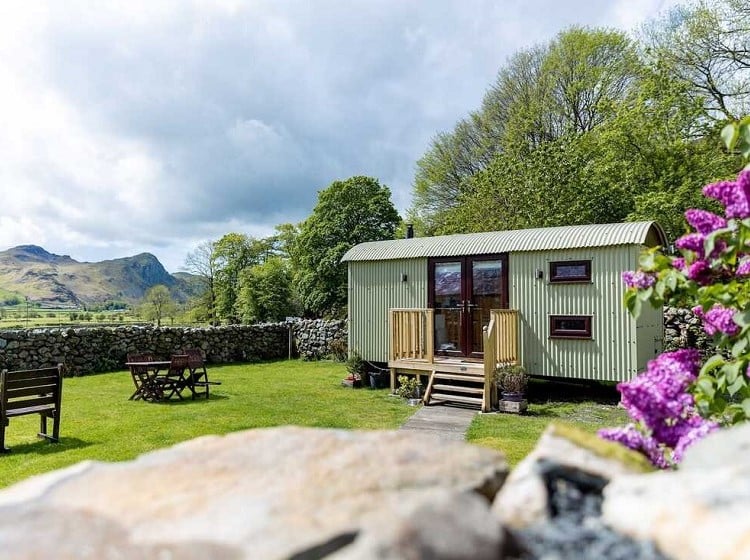
Many roads to diversification success
With over 110 years supporting the farming community we’ve seen a lot of change, so we understand the importance of diversification to the farming industry.
Our farm diversification articles feature the latest trends, insights and case studies to help UK farmers explore opportunities for the future.